
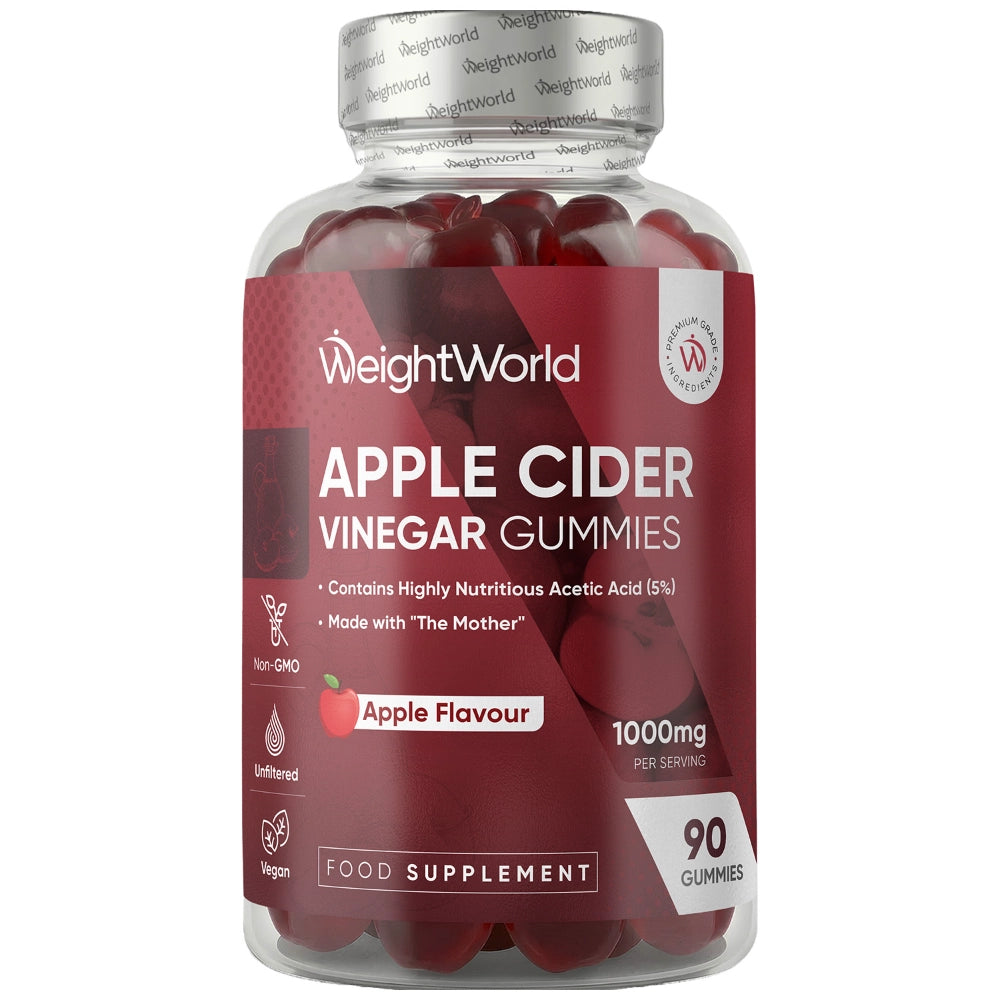
Apple cider vinegar (ACV) has transitioned from a pantry staple to a popular wellness supplement, and the gummy format makes it more accessible than ever. These chewable tablets combine the traditional benefits of fermented apple juice with a convenient, tasty delivery system, appealing to those who dislike the strong taste of liquid vinegar. Understanding how ACV gummies work, what to look for on the label, and how they fit into a broader health strategy is essential for maximizing results while minimizing risk. This guide breaks down the science, ingredients, usage recommendations, and safety considerations so readers can make an informed decision about incorporating apple cider gummies into their daily routine.
What Are Apple Cider Gummies?
Apple cider gummies are gelatin-based or plant-based chewables that contain a standardized amount of apple cider vinegar, often alongside complementary nutrients such as B-vitamins, probiotics, or herbal extracts. The gummy matrix masks the acidic flavor while preserving the bioactive compounds that give ACV its reputation for supporting digestion, blood-sugar regulation, and metabolic health.
Core Components
- Apple Cider Vinegar Powder: Dehydrated ACV that retains acetic acid and polyphenols.
- Fiber or Pectin: Provides texture and may aid gastrointestinal function.
- Natural Sweeteners: Typically stevia, erythritol, or fruit puree to improve taste without adding excess sugar.
- Additional Micronutrients: Vitamin B12, magnesium, or zinc are sometimes added to broaden the supplement’s appeal.
Health Benefits and Scientific Evidence
Research on liquid apple cider vinegar is more extensive than on its gummy counterpart, but many of the same mechanisms appear to translate. The primary active component, acetic acid, has been shown to:
- Support healthy blood-glucose levels by improving insulin sensitivity.
- Promote satiety, which may assist with weight-management goals.
- Contribute to a balanced gut microbiome when paired with pre-biotic fibers.
- Offer antioxidant protection through polyphenols.
While direct clinical trials on gummies are limited, the dosage guidelines typically aim for 500″?mg to 1″?g of ACV per serving, a range that aligns with the amounts used in most scientific studies. For a deeper dive into evidence-based applications, Discover expert strategies here.
Key Ingredients and Quality Standards
Choosing a high-quality product begins with scrutinizing the ingredient list and manufacturing practices. Reputable brands often adhere to the following standards:
- Third-Party Testing: Independent labs verify potency, purity, and the absence of heavy metals.
- Non-GMO and Gluten-Free Claims: Important for consumers with dietary restrictions.
- Transparent Sourcing: Apple varieties and fermentation methods are disclosed.
- Stable Formulation: Protective coatings prevent degradation of acetic acid during storage.
When evaluating a supplement, Learn about our tailored solutions. The link leads to a product page that details the sourcing of apples, the fermentation process, and the testing protocols employed.
How to Choose the Right Supplement
Not all ACV gummies are created equal. Consider the following criteria before making a purchase:
- Acetic Acid Content: Look for a clear statement of milligrams per gummy.
- Additional Functional Ingredients: Probiotics or fiber can enhance digestive benefits.
- Formulation Type: Gelatin vs. plant-based (pectin or agar) matters for vegans.
- Dosage Frequency: Some brands recommend one gummy twice daily; others suggest a single daily dose.
For a curated selection that meets these benchmarks, Explore advanced guides and tips. The resource outlines how to compare label claims and interpret third-party certifications.
Dosage, Timing, and Safety Considerations
Optimal results depend on consistent use and appropriate timing. General recommendations include:
- Start Low: Begin with half a gummy per day to assess tolerance.
- Meal Integration: Taking gummies with a balanced meal can mitigate potential stomach discomfort.
- Hydration: Adequate water intake helps the body process acetic acid efficiently.
- Medical Interactions: Individuals on diuretics, insulin, or potassium-altering medications should consult a healthcare professional.
Long-term safety data for ACV gummies are still emerging, but no serious adverse events have been reported when dosage stays within the recommended range. For a concise safety overview, Find out more about this approach.
Frequently Asked Questions
Do the gummies taste like vinegar?
Most formulations use natural sweeteners and flavor masks, resulting in a mild, fruit-forward taste rather than the sharp acidity of liquid ACV.
Can they replace liquid apple cider vinegar?
Gummies provide a convenient alternative, but they may lack the exact concentration of certain compounds found in raw vinegar. For therapeutic purposes, consider using both formats as complementary tools.
Are they suitable for children?
Because of the acetic acid content, most manufacturers advise against regular use in children under 12 without medical guidance.
How long before I see results?
Individual responses vary; many users report noticeable changes in appetite and energy levels within 2-4 weeks of consistent intake.
By understanding the composition, evidence, and best-practice usage of apple cider vinegar gummies, readers can integrate this supplement into a balanced health regimen with confidence. The combination of scientific insight and practical guidance ensures that the decision to adopt ACV gummies is both informed and aligned with personal wellness goals.