
Achieving peak athletic performance is a blend of disciplined training, balanced nutrition, and strategic supplementation. While a solid workout routine lays the foundation, the right supplements can accelerate recovery, enhance strength, and support muscle growth. This guide explores the most effective sports nutrition options, explains how they work, and offers practical tips for integrating them into a daily regimen.
Understanding the Role of Supplements in Athletic Performance
Supplements are designed to fill nutritional gaps, provide targeted nutrients, and improve physiological processes that are hard to optimize through food alone. When chosen wisely, they can:
- Boost muscle protein synthesis after resistance training.
- Reduce muscle soreness and speed up recovery.
- Increase energy availability during high-intensity efforts.
- Support joint health and overall resilience.
Because each athlete’s goals and physiology differ, a personalized approach is essential. Consulting a qualified nutrition professional before starting any new regimen ensures safety and effectiveness.
Key Categories of Performance-Enhancing Supplements
1. Protein Powders and Blends
Protein is the building block of muscle tissue. High-quality protein powders deliver a convenient source of essential amino acids, especially leucine, which triggers muscle protein synthesis.
- Whey concentrate/isolate: Fast-digesting, ideal post-workout.
- Casein: Slow-release, perfect before sleep.
- Plant-based blends: Pea, rice, and hemp combinations for those seeking dairy-free options.
When selecting a product, look for minimal additives and a protein content of at least 20″?g per serving. For a broader range of options, explore the collection of proteins and supplements available online.
2. Creatine Monohydrate
Creatine is one of the most researched and effective ergogenic aids. It increases phosphocreatine stores in muscle cells, allowing athletes to produce more ATP during short, explosive movements.
- Improves strength and power output.
- Supports lean mass gains when combined with resistance training.
- Generally safe for healthy adults when taken at recommended doses (3-5″?g/day).
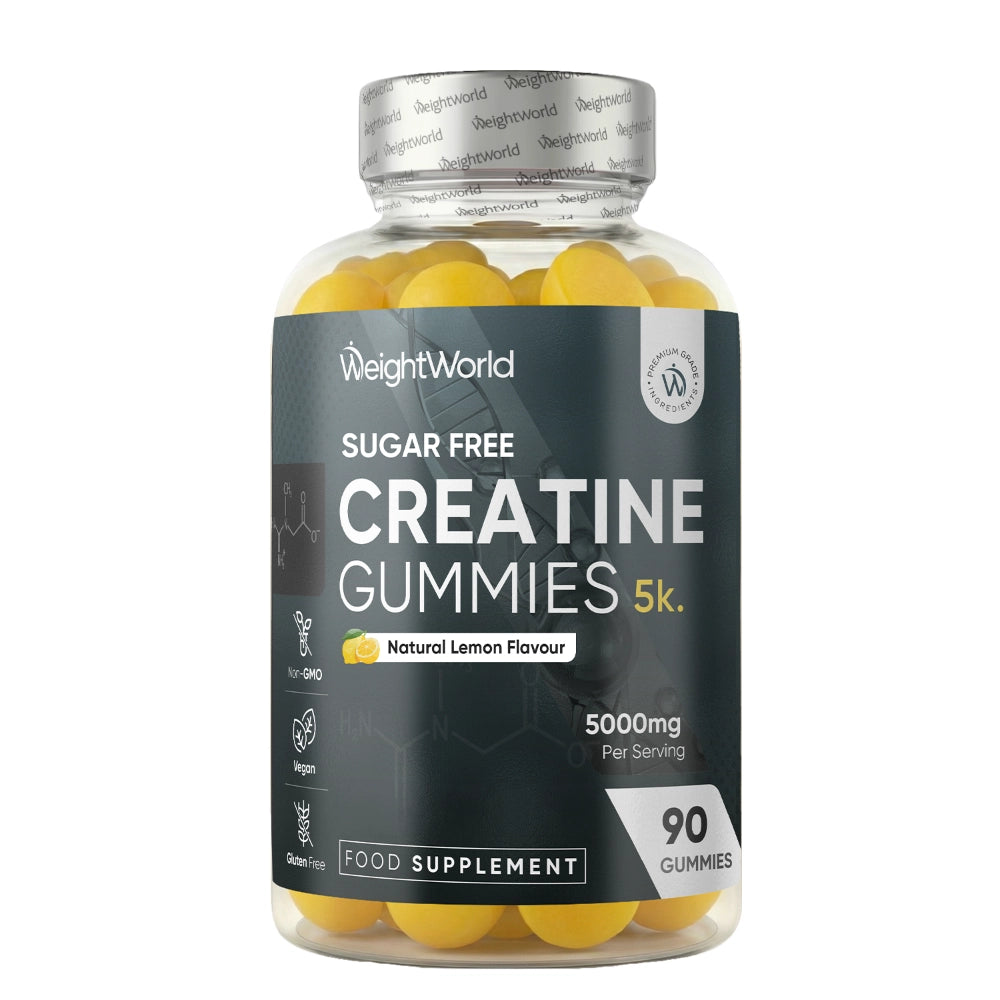
Creatine can be consumed as a powder, capsule, or even a gummy for convenience. Many athletes appreciate the ease of integrating it into daily routines without the need for mixing.
3. Branched-Chain Amino Acids (BCAAs) & EAAs
While whole-protein sources provide all essential amino acids, targeted BCAA or essential amino acid (EAA) supplements can be useful during prolonged training sessions to reduce muscle breakdown.
- Leucine is the primary trigger for muscle protein synthesis.
- BCAAs may help maintain energy levels during endurance events.
- EAAs offer a complete profile for those who train fasted.
4. Beta-Alanine
Beta-alanine buffers hydrogen ions that accumulate during high-intensity effort, delaying fatigue and extending performance in activities lasting 1-4 minutes.
- Typical dosage: 2-5″?g per day, split into smaller doses to avoid tingling sensations.
- Effective for sprinting, rowing, and high-intensity interval training.
5. Electrolyte and Hydration Formulas
Maintaining fluid balance is crucial for both endurance and strength athletes. Electrolyte blends replenish sodium, potassium, magnesium, and calcium lost through sweat.
- Improves muscle contraction efficiency.
- Reduces cramping risk.
- Supports cognitive function during long sessions.
Choosing the Right Supplements for Your Goals
Not every supplement is necessary for every athlete. Consider the following decision matrix:
| Goal | Recommended Supplement(s) | Key Benefits |
|---|---|---|
| Increase strength & power | Creatine, whey protein, beta-alanine | Enhanced ATP availability, faster recovery, delayed fatigue |
| Support lean muscle growth | Whey or casein protein, EAAs, creatine | Optimized protein synthesis, sustained amino acid supply |
| Endurance performance | BCAAs/EAA, electrolyte mix, beta-alanine | Reduced muscle breakdown, maintained hydration, delayed acidosis |
| Recovery after intense sessions | Protein blend, creatine, BCAAs, electrolytes | Accelerated muscle repair, glycogen replenishment, reduced soreness |
How to Incorporate Supplements Effectively
Timing Strategies
- Pre-workout: Beta-alanine (30-60″?min prior) and a small dose of caffeine if tolerated.
- During training: Electrolyte beverage for sessions longer than 60″?minutes.
- Post-workout (within 30″?min): Whey protein (20-30″?g) plus creatine (5″?g) to maximize glycogen resynthesis and muscle repair.
- Before sleep: Casein protein to provide a steady amino acid supply overnight.
Dosage and Cycling
Most supplements are safe when used at recommended levels, but cycling can prevent adaptation and maintain effectiveness. For example, a typical creatine protocol involves a 5-day loading phase (20″?g/day) followed by a maintenance phase (3-5″?g/day) for 8-12 weeks, then a short break.
Quality Assurance and Safety Considerations
Choosing reputable brands is essential to avoid contaminants and ensure label accuracy. Look for products that:
- Are third-party tested (e.g., Informed-Sport, NSF).
- Provide a transparent ingredient list with exact dosages.
- Have minimal artificial flavors, sweeteners, or fillers.
For a curated selection of vetted options, browse the range of sport supplements that meet strict quality standards.
Integrating Supplements with Whole-Food Nutrition
Supplements should complement, not replace, a balanced diet. Prioritize whole-food sources of protein (lean meats, fish, legumes), complex carbohydrates (whole grains, fruits, vegetables), and healthy fats (nuts, seeds, olive oil). Use supplements to bridge gaps, such as when training volume spikes or when dietary restrictions limit nutrient intake.
Final Thoughts
Optimizing athletic performance hinges on a synergy of training, nutrition, and targeted supplementation. By understanding the science behind each product, selecting high-quality options, and timing intake strategically, athletes can unlock greater strength, endurance, and recovery. Whether the goal is to lift heavier, run faster, or simply stay resilient throughout the season, the right combination of sport food supplements can make a measurable difference.