
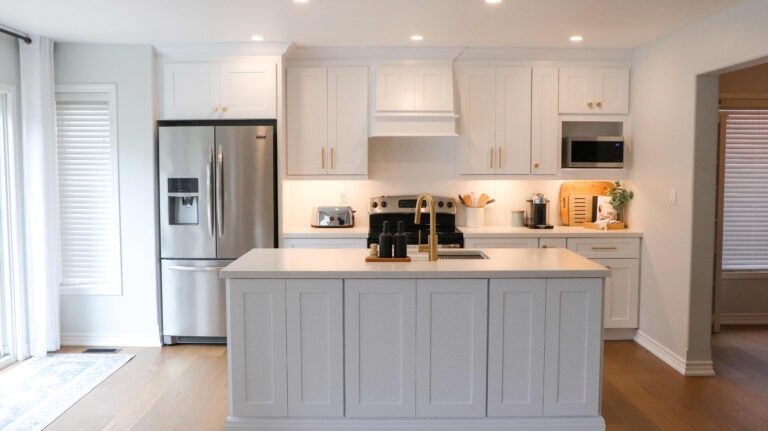
Kitchen remodeling projects often involve replacing existing cabinetry with new, custom installation. This process can be complex and time-consuming, requiring careful planning and execution to achieve the desired results. Homeowners seeking to upgrade their kitchen’s aesthetic and functionality may benefit from consulting with a professional kitchen remodeling company that specializes in custom cabinet installation.
Benefits of Custom Kitchen Cabinet Installation
One of the primary advantages of custom kitchen cabinet installation is the ability to tailor the design and layout to meet the specific needs and preferences of the homeowner. By working closely with a skilled designer or contractor, homeowners can create a unique and functional kitchen space that reflects their personal style and enhances the overall value of their property.
- Increased storage capacity and organization
- Improved workflow and efficiency
- Enhanced aesthetic appeal and visual appeal
- Increased property value
Design Considerations for Custom Kitchen Cabinets
When designing custom kitchen cabinets, several factors must be taken into account to ensure a successful and functional installation. These include the overall layout and flow of the kitchen, the type and color of cabinets, and the materials and finishes used. Homeowners may also want to consider factors such as lighting, plumbing, and electrical requirements.
For more information on designing custom kitchen cabinets, explore further insights here on the importance of proper planning and execution.
Materials and Finishes
Custom kitchen cabinets can be constructed from a wide range of materials, including solid wood, engineered wood, and MDF. The choice of material will depend on the desired appearance, durability, and budget. Homeowners may also want to consider the cost and environmental impact of the materials used.
For example, Learn more in this detailed guide on the benefits and drawbacks of different materials and finishes for custom kitchen cabinets.
Installation and Maintenance
Once the custom kitchen cabinets have been designed and constructed, the installation process can begin. This typically involves measuring and preparing the site, assembling and installing the cabinets, and making any necessary adjustments or repairs. Homeowners may also want to consider factors such as maintenance and upkeep, including cleaning and polishing the cabinets to maintain their appearance and extend their lifespan.
For additional information on the installation and maintenance of custom kitchen cabinets, find additional information here on best practices and tips for successful installation and upkeep.
Conclusion
Kitchen remodeling projects that involve custom cabinet installation require careful planning and execution to achieve the desired results. By working closely with a professional kitchen remodeling company and considering factors such as design, materials, and installation, homeowners can create a unique and functional kitchen space that enhances the overall value of their property. For more information on custom kitchen cabinet installation, read more about this topic and explore the many benefits and advantages of this process.