
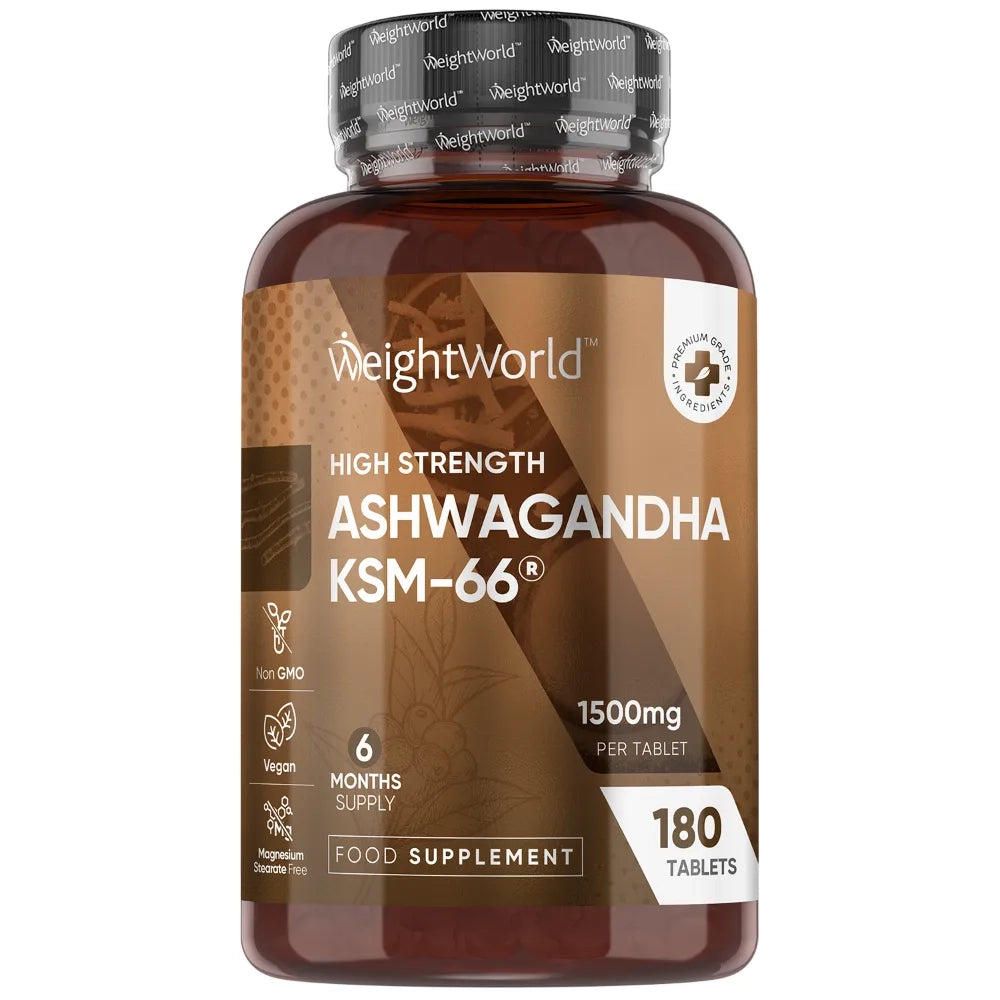
In today’s fast-paced world, chronic stress has become a common denominator of many health concerns, from disrupted sleep to reduced cognitive performance. Among the natural adaptogens gaining scientific backing, ashwagandha stands out for its ability to modulate the body’s stress response without the side-effects often associated with synthetic pharmaceuticals. Selecting the right supplement, however, can be confusing due to the variety of extracts, dosages, and quality certifications on the market. This guide walks through the key factors that define a high-quality ashwagandha product, highlights what to look for on the label, and presents evidence-based recommendations for those seeking reliable stress relief.
Understanding Ashwagandha’s Mechanism of Action
Ashwagandha (Withania somnifera) is an ancient herb classified as an adaptogen, meaning it helps the body maintain equilibrium under physical, emotional, or environmental stressors. The primary bioactive compounds, withanolides, interact with the hypothalamic-pituitary-adrenal (HPA) axis, reducing cortisol spikes and promoting a balanced neurochemical environment. Research indicates that consistent supplementation can:
- Lower basal cortisol levels by up to 30% in high-stress individuals.
- Improve subjective stress scores on validated questionnaires.
- Enhance sleep quality by increasing total sleep time and deep-sleep phases.
Key Criteria for Choosing a Premium Ashwagandha Supplement
When evaluating products, focus on the following attributes to ensure potency, purity, and safety.
1. Extract Standardization
Standardized extracts guarantee a consistent amount of withanolides per dose. Look for labels that specify “standardized to 5% withanolides” or higher. This consistency is crucial for reproducible results.
2. Source and Cultivation Practices
High-quality ashwagandha is typically sourced from regions with optimal soil conditions, such as the Indian subcontinent. Organic certification or third-party testing for heavy metals and pesticides adds an extra layer of confidence.
3. Dosage and Formulation
Clinical trials most commonly employ 300-600″?mg of a standardized extract taken once or twice daily. Capsules, tablets, and powders each have pros and cons:
- Capsules/Tablets: Convenient, pre-measured doses.
- Powders: Flexible dosing, can be mixed into smoothies or teas.
4. Manufacturing Standards
Products manufactured in GMP-certified facilities and subjected to third-party verification (e.g., NSF, USP) reduce the risk of contamination and ensure label accuracy.
Top Features of a Leading Ashwagandha Supplement
Based on the criteria above, an exemplary supplement typically includes the following attributes:
- Standardized to at least 5% withanolides (often 10% for enhanced efficacy).
- Organic, non-GMO plant material sourced from reputable farms.
- Transparent labeling with clear dosage instructions.
- Third-party lab results available on the brand’s website.
- Free from unnecessary fillers, artificial colors, or allergens.
How to Incorporate Ashwagandha Into a Stress-Management Routine
Integrating ashwagandherapeutically works best when paired with lifestyle habits that support overall resilience.
- Morning: Take the first dose with breakfast to align with cortisol’s natural peak.
- Evening: A second dose (if recommended) can promote relaxation before bedtime.
- Combine with mindfulness practices, such as meditation or deep-breathing, to amplify the calming effect.
- Maintain a balanced diet rich in omega-3 fatty acids, which synergize with adaptogenic benefits.
Where to Find a Trustworthy Product
For consumers seeking a rigorously tested, high-potency option, reputable online retailers often provide detailed product pages, lab reports, and customer reviews. A well-curated collection can be explored at a dedicated ashwagandha storefront, where each listing includes the essential information outlined above. Discover expert strategies here. This resource offers a range of formulations, allowing shoppers to compare potency, dosage forms, and certification status side by side.
Frequently Asked Questions
Is ashwagandha safe for long-term use?
Clinical data support daily use for periods extending up to 12 weeks without serious adverse effects. Individuals with thyroid disorders or those taking sedative medications should consult a healthcare professional before starting.
Can ashwagandha replace prescription anxiety medication?
While ashwagandha can reduce mild to moderate stress symptoms, it is not a substitute for prescribed anxiolytics in severe cases. It is best used as a complementary approach under medical guidance.
What is the best time of day to take ashwagandha?
Morning dosing aligns with cortisol rhythm, whereas evening dosing may aid sleep. Split dosing (morning and night) is common for those taking higher daily amounts.
Conclusion: Making an Informed Choice
Selecting the best ashwagandha supplement hinges on understanding extract standardization, sourcing integrity, and manufacturing transparency. By prioritizing products that meet these benchmarks, individuals can harness the herb’s adaptogenic power to mitigate stress, improve sleep, and support overall well-being. For a curated selection that adheres to these standards, Learn about our tailored solutions. Additional resources such as detailed dosage guides and scientific summaries are also available, enabling consumers to make evidence-based decisions. Embracing a high-quality ashwagandha supplement, alongside balanced lifestyle habits, offers a pragmatic pathway to calmer days and more resilient health.