
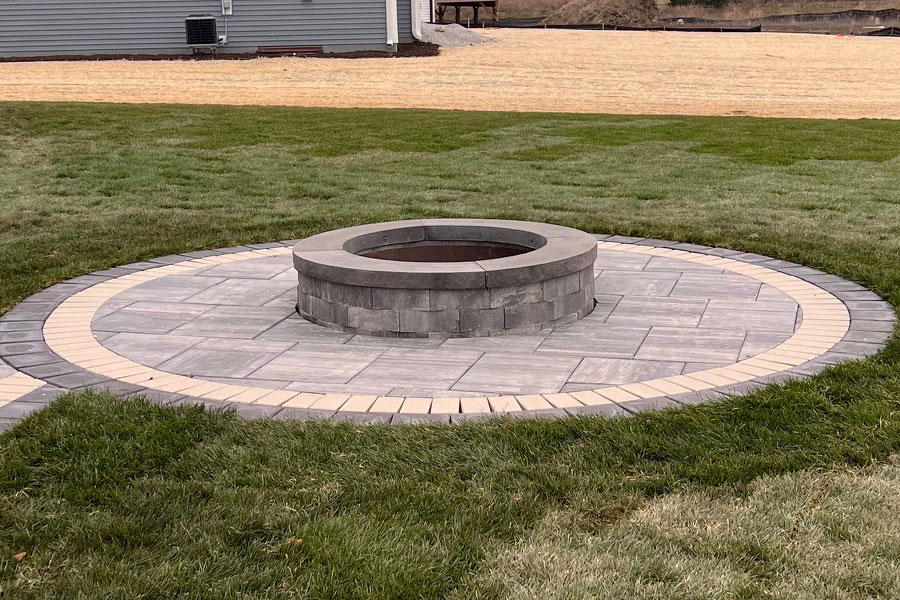
Backyard fire pits have evolved from simple gathering spots to sophisticated focal points that blend design, durability, and functionality. Selecting the right permanent fire pit involves more than just choosing a style; it requires an understanding of material performance, safety considerations, and how the unit will integrate with existing landscaping. This guide walks through the essential factors to evaluate, helping homeowners create an inviting outdoor oasis that lasts for years.
Assessing Your Backyard Space
Before diving into product specifications, take a step back and evaluate the physical environment where the fire pit will sit.
- Size and Layout: Measure the available area, accounting for clearance around the pit for safe operation and traffic flow.
- Ground Surface: Determine whether the pit will sit on concrete, pavers, a deck, or natural soil. Each surface may require a different base or fire-resistant pad.
- Wind Exposure: Identify prevailing wind directions; a sheltered spot can improve heat distribution and reduce smoke drift.
- Proximity to Structures: Maintain recommended distances from walls, fences, and overhanging trees to comply with fire codes.
Choosing the Right Material
Material choice directly impacts longevity, maintenance, and aesthetic appeal. Below are the most common options:
Steel
- Highly durable and can be powder-coated for rust resistance.
- Retains heat well, providing a strong, consistent flame.
- Often lighter than stone, making installation easier.
Cast Iron
- Exceptional heat retention; ideal for longer burn times.
- Offers a classic, rustic look that ages beautifully.
- Heavier and may require a reinforced base.
Stone & Concrete
- Natural stone or precast concrete blends seamlessly with garden designs.
- Provides excellent fire resistance and can be customized with various finishes.
- Installation typically involves professional masonry work.
For a detailed comparison of material benefits and installation tips, Discover expert strategies here.
Fuel Type Considerations
The choice between wood, natural gas, or propane influences both the ambiance and practical maintenance.
- Wood Burning: Delivers authentic crackling sounds and aroma but requires regular ash removal and adherence to local fire regulations.
- Natural Gas: Offers clean, adjustable flames with the convenience of a continuous fuel line. Ideal for frequent use.
- Propane: Portable and easy to control, making it a flexible option for seasonal setups.
Design Features That Add Value
Modern permanent fire pits often incorporate additional elements that enhance usability and safety.
- Built-in Seating: Integrated benches or surrounding stone walls create a cohesive gathering area.
- Safety Grates: Prevent sparks from escaping while allowing airflow for efficient combustion.
- Adjustable Burn Controls: Especially common with gas models, these let users fine-tune flame height and heat output.
- Weather-Resistant Covers: Protect the pit during off-season months to extend its lifespan.
To explore advanced design options and see how they can be tailored to specific backyard layouts, Explore advanced guides and tips.
Installation and Permitting
Proper installation ensures safety and compliance with local building codes.
- Check municipal regulations regarding fire pit placement, fuel type, and required setbacks.
- Prepare a stable, fire-resistant base, concrete slabs or compacted gravel work well.
- For gas-powered units, hire a licensed plumber to run and test the gas line.
- Secure the pit according to manufacturer instructions, anchoring heavy stone or concrete models as needed.
Maintenance Best Practices
Keeping a permanent fire pit in top condition involves routine care:
- Remove ash and debris after each use to prevent corrosion.
- Inspect and clean burners or vent openings regularly.
- Apply protective sealants to stone or concrete surfaces every 1-2 years.
- Cover the pit during periods of disuse to guard against weather damage.
Budgeting and Value
While permanent fire pits represent a significant investment, they add both functional and resale value to a property. Consider the following when budgeting:
- Material Costs: Steel and cast iron are generally less expensive than custom stone installations.
- Installation Fees: Professional masonry or gas line work can increase upfront costs but ensures long-term safety.
- Warranty & Service: Products with robust warranties reduce future expenses.
For a comprehensive cost breakdown and financing options, Learn about tailored solutions.
Final Thoughts
Choosing the right permanent fire pit is a balance of aesthetics, material durability, fuel preferences, and practical considerations like space and budget. By assessing the backyard environment, selecting the appropriate material and fuel type, and planning for proper installation and maintenance, homeowners can enjoy a safe, beautiful centerpiece that enhances outdoor living for years to come.