
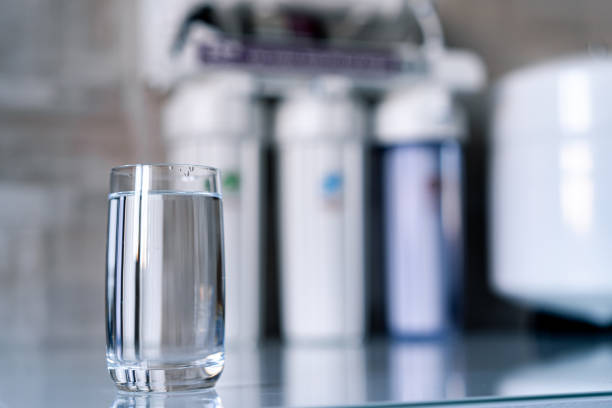
Access to clean, safe drinking water is a basic necessity, yet the quality of tap water can vary significantly depending on location and infrastructure. An in-home reverse osmosis system provides a reliable solution for ensuring your water is not only safe but also tastes great. Reverse osmosis (RO) systems have gained popularity due to their effectiveness in removing impurities and contaminants from water. This article delves into the benefits of installing an in-home reverse osmosis system, covering its impact on health, cost savings, and environmental benefits.
Understanding Reverse Osmosis
Reverse osmosis is a water purification process that uses a semipermeable membrane to remove ions, molecules, and larger particles from drinking water. The process is effective in eliminating contaminants such as:
- Lead
- Fluoride
- Chlorine
- Nitrates
- Sulfates
Through this method, reverse osmosis systems ensure that your drinking water is free from harmful substances, contributing to overall health and well-being. Discover expert strategies here to enhance water quality in your home.
Health Benefits of Reverse Osmosis Water
Using an in-home reverse osmosis system has several health benefits, primarily due to its ability to remove harmful contaminants. Some of these benefits include:
- Improved hydration with water that tastes better and is free of odor
- Reduction in the risk of waterborne diseases and toxic exposures
- Enhanced overall health outcomes through the consumption of cleaner water
For those interested in protecting their family’s health, find out more about this approach to cleaner drinking water.
Cost-Effectiveness of In-Home Systems
Long-term Savings
Although the initial investment for a reverse osmosis system may seem significant, the long-term savings are substantial. Consider the following:
- Reduction in the need to purchase bottled water
- Minimized plumbing repair costs due to reduced scale buildup
- Lower expenses on medical bills associated with waterborne illnesses
Over time, the savings from these factors can significantly outweigh the initial setup costs. To understand the financial benefits better, learn about our tailored solutions.
Environmental Impact
In addition to health and cost benefits, reverse osmosis systems also contribute positively to the environment. By installing an in-home system, individuals can:
- Reduce plastic waste from bottled water
- Decrease energy consumption associated with the production and transportation of bottled water
- Contribute to sustainability by conserving water through efficient use
For those committed to environmental stewardship, reverse osmosis systems represent a responsible choice. Explore advanced guides and tips for integrating these systems into your home.
Conclusion
An in-home reverse osmosis system offers numerous benefits, from ensuring safe and pleasant-tasting water to providing financial savings and environmental advantages. These systems represent a practical investment for individuals looking to improve their quality of life through better water quality. Whether the primary concern is health, cost, or environmental impact, reverse osmosis systems deliver a comprehensive solution. To explore how this technology can be tailored to individual needs, discover expert strategies here.