
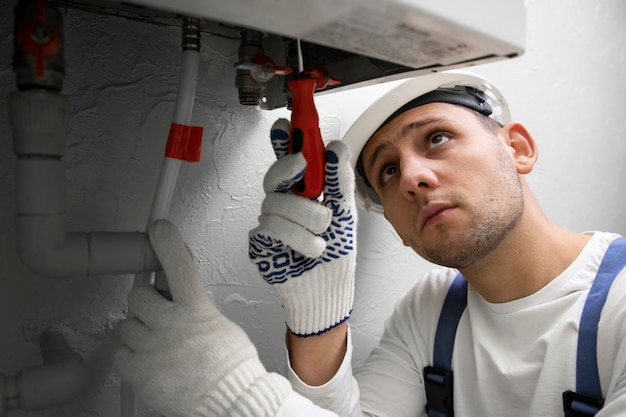
Hot water heaters are essential components of modern living, providing the comfort of warm water for various household activities. However, like all mechanical systems, they are susceptible to wear and tear over time. One of the most common issues faced by homeowners is a leaking water heater. Leaks can lead to significant water damage, increased utility bills, and even complete system failure if not addressed promptly. Regular maintenance is key to preventing leaks and extending the lifespan of your water heater.
Understanding the Causes of Water Heater Leaks
Before delving into maintenance practices, it is crucial to understand the common causes of water heater leaks. Identifying these causes can help in formulating effective preventive strategies.
- Corrosion: Over time, the tank and its components may corrode, leading to leaks.
- Pressure Build-up: Excessive pressure due to high temperature or pressure settings can cause leaks.
- Loose Drain Valve: A loosely fitted drain valve can result in water seeping out.
- Faulty Temperature and Pressure (T&P) Relief Valve: If this valve malfunctions, it can lead to leaks.
- Age of the Heater: Older water heaters are more prone to leaking.
Regular Maintenance Practices
Implementing a routine maintenance schedule can significantly reduce the risk of leaks. Here are some essential maintenance practices:
1. Inspect the Anode Rod
The anode rod is a crucial component that prevents corrosion within the tank. It attracts corrosion-causing elements, thereby protecting the tank. Regular inspections, ideally every two years, can help determine if the rod needs replacement. Discover expert strategies here.
2. Flush the Tank Annually
Flushing the tank helps remove sediment build-up at the bottom. This sediment can cause overheating and eventual tank damage. An annual flush keeps the system efficient and reduces the likelihood of leaks. Learn about our tailored solutions.
3. Test the Temperature and Pressure Relief Valve
Regular testing of the T&P valve ensures it functions correctly, releasing pressure when necessary. A malfunctioning T&P valve can lead to excessive pressure build-up, resulting in leaks. Testing should be part of the annual maintenance routine.
Signs of a Potential Leak
Being vigilant about the signs of a potential leak allows for early intervention. Here are some indicators:
- Puddles or Water Accumulation: Visible water around the base of the heater.
- Rusty Water: Discolored water can indicate corrosion within the tank.
- Unusual Noises: Sounds such as popping or rumbling may suggest sediment build-up.
- Increased Utility Bills: A sudden spike could signal a leak.
If any of these signs are detected, immediate professional inspection is advisable. Explore advanced guides and tips.
Professional Assistance for Leak Prevention
While regular maintenance can be handled by homeowners, professional assistance ensures comprehensive care. A licensed professional can conduct thorough inspections, address any emerging issues, and perform complex maintenance tasks safely and efficiently.
For those seeking expert advice and services, considering professional water heater installation and repair services can be beneficial. Find out more about this approach.
In conclusion, preventing water heater leaks requires a proactive maintenance approach. Understanding the causes, implementing regular maintenance, and seeking expert assistance when needed can significantly enhance the longevity and efficiency of a water heater. By being attentive to the system’s needs, costly repairs and potential water damage can be effectively minimized.