
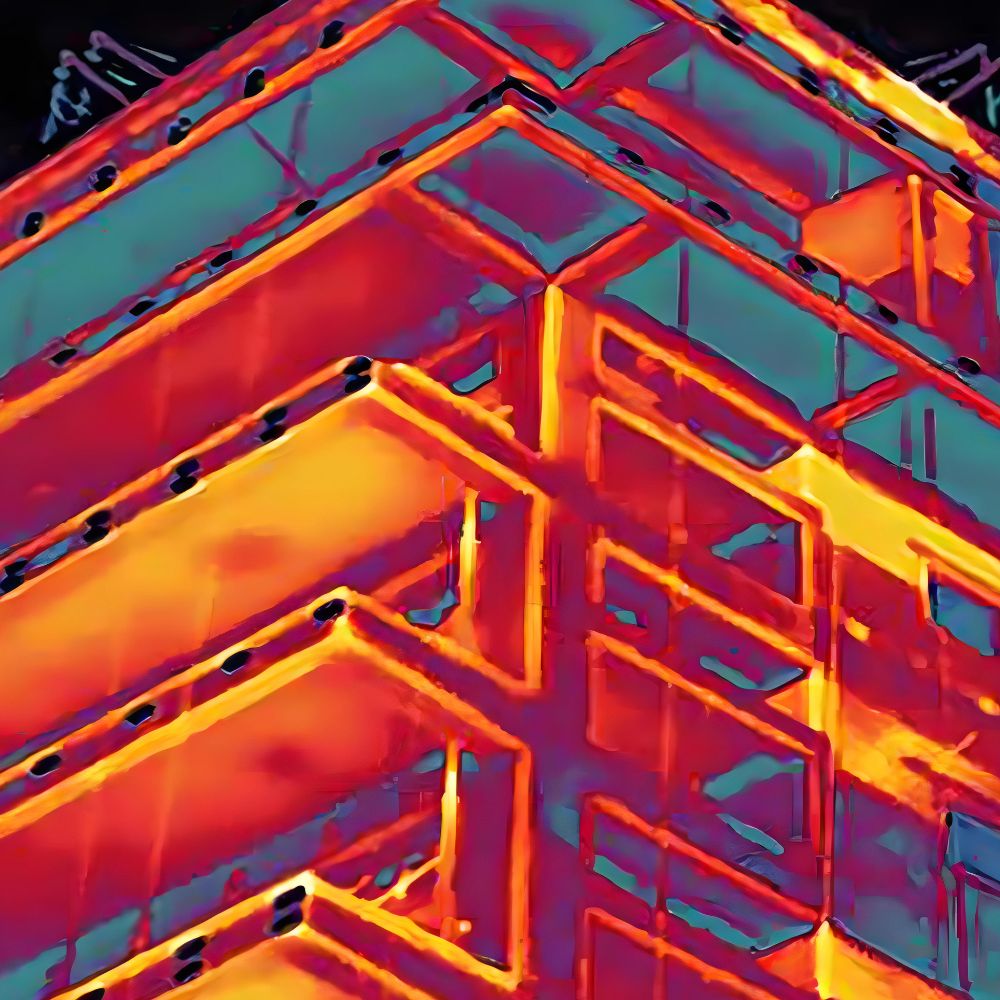
In the pursuit of creating energy-efficient buildings, one of the most effective methods is incorporating thermal breaks into construction. Thermal breaks, often used in windows, doors, and building envelopes, are crucial in minimizing heat transfer between the interior and exterior of a building. This results in improved energy efficiency and overall occupant comfort. The growing emphasis on sustainable building practices makes understanding thermal breaks more important than ever. This article explores the various benefits of using thermal breaks in construction, providing insights into their impact on energy consumption, structural integrity, and comfort.
Understanding Thermal Breaks
Thermal breaks are components placed between conductive materials to interrupt the path of heat flow. They are essential in construction as they:
- Reduce thermal bridging, which occurs when heat bypasses insulation through a conductive material.
- Enhance the overall thermal performance of a building.
- Contribute to the reduction of heating and cooling costs.
The effectiveness of thermal breaks can be seen in various applications, from window frames to curtain walls. Find out more about this approach.
Energy Efficiency and Cost Savings
Reduction in Energy Consumption
One of the primary advantages of using thermal breaks is the significant reduction in energy consumption. By minimizing heat loss and gain, buildings require less energy for heating and cooling. This not only benefits the environment by reducing carbon emissions but also offers substantial cost savings for building owners. Learn about our tailored solutions to maximize energy efficiency.
Long-Term Financial Benefits
Investing in thermal breaks may initially increase construction costs, but the long-term savings in energy expenditures far outweigh the initial investment. Moreover, buildings with high energy efficiency ratings often have higher resale values, offering additional financial benefits. Discover expert strategies here for incorporating thermal breaks into construction plans.
Enhanced Comfort and Health
Thermal breaks contribute to a more comfortable indoor environment by maintaining consistent temperatures and reducing cold spots caused by thermal bridging. This consistent environment:
- Improves indoor air quality by reducing condensation and mold growth.
- Enhances occupant comfort by preventing drafts and uneven temperatures.
- Promotes a healthier living or working environment.
For more details on enhancing indoor comfort, explore advanced guides and tips.
Structural Integrity and Longevity
Protection Against Condensation
Thermal breaks play a crucial role in reducing condensation within building assemblies. By minimizing the temperature difference between interior and exterior surfaces, they help prevent moisture-related issues that can compromise structural integrity. This protection ensures that:
- Building materials are preserved, reducing maintenance costs.
- The overall lifespan of the building is extended.
Explore advanced guides and tips on protecting structural integrity with thermal breaks.
Improved Durability
By mitigating the effects of thermal stress, thermal breaks prevent materials from expanding and contracting excessively. This leads to:
- Reduced risk of material fatigue and damage.
- Long-lasting performance of building components.
These improvements ensure that buildings remain durable and efficient over time. To learn more about enhancing durability with thermal breaks, find out more about this approach.
In conclusion, the implementation of thermal breaks in construction is a strategic decision that offers numerous benefits, including energy efficiency, improved comfort, and enhanced structural integrity. As the construction industry continues to prioritize sustainability, the role of thermal breaks becomes increasingly significant. For a comprehensive understanding and application of thermal breaks, explore advanced guides and tips.