
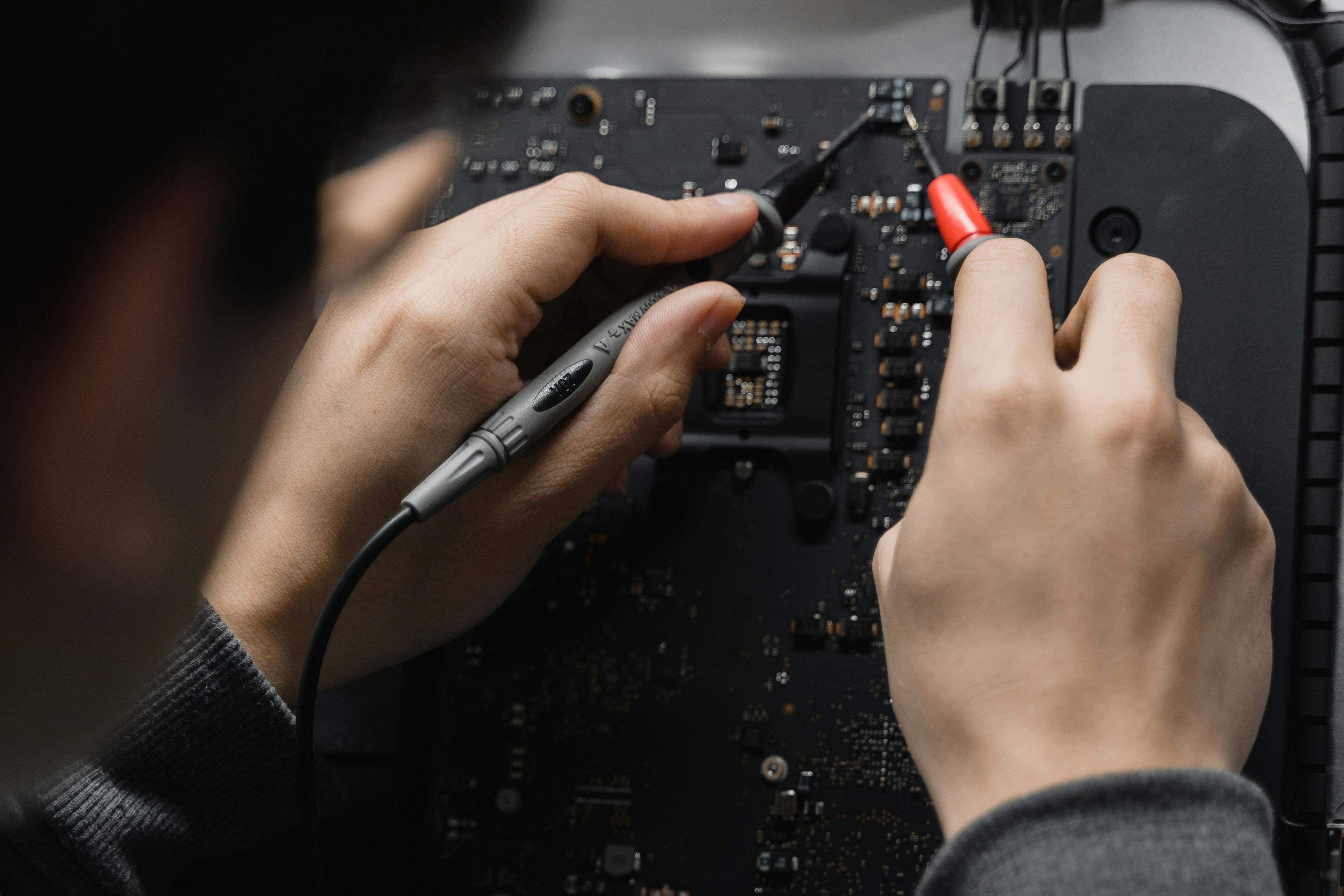
Electrical systems are the backbone of modern homes and businesses, yet they can develop problems that range from minor annoyances to hazardous emergencies. Understanding the common causes of electrical issues and the appropriate quick-fix strategies can save time, reduce risk, and prevent costly repairs. This article outlines the most frequent electrical faults, practical troubleshooting steps, and safety considerations for anyone looking to address these problems efficiently.
Common Electrical Problems and Their Symptoms
Frequent Power Outages
Unexpected loss of power can be caused by overloaded circuits, tripped breakers, or faulty wiring. Typical signs include:
- Lights flickering or dimming
- Outlets that stop working intermittently
- Breaker panel that trips repeatedly
Identifying the root cause early helps avoid larger issues such as electrical fires.
Faulty Outlets and Switches
Outlets that spark, feel warm, or fail to hold a plug securely often indicate loose connections or worn components. Key indicators are:
- Buzzing sounds when a device is plugged in
- Visible discoloration or scorch marks
- Inconsistent operation across multiple devices
These symptoms warrant immediate attention to maintain safe operation.
Quick Fixes for Minor Issues
Resetting Tripped Breakers
Before assuming a major fault, try resetting a tripped breaker:
- Locate the main electrical panel.
- Identify the breaker that is in the “off” or middle position.
- Flip it fully to the “off” position, then back to “on.”
If the breaker trips again, the circuit may be overloaded or have a short, and further investigation is needed. Read more about this topic.
Replacing Damaged Outlets
When an outlet shows signs of wear, replace it with a new, properly rated unit:
- Turn off the circuit at the breaker.
- Remove the outlet cover and unscrew the faulty outlet.
- Connect the new outlet using the same wiring configuration.
- Secure the outlet and restore power to test functionality.
Always verify that the new outlet matches the circuit’s amperage rating. Learn more in this detailed guide.
Preventive Maintenance Tips
Regular upkeep can significantly reduce the likelihood of unexpected failures. Consider the following practices:
- Schedule annual inspections of the breaker panel and wiring.
- Use surge protectors for sensitive electronics.
- Avoid overloading circuits by distributing high-draw appliances across multiple outlets.
- Keep the area around electrical panels clear for easy access.
When to Call a Professional
While many minor issues can be resolved with basic tools and caution, certain situations demand the expertise of a licensed electrician:
- Repeated breaker trips after resetting.
- Burn marks, melted insulation, or a strong odor of burning plastic.
- Exposed wiring or signs of rodent damage.
- Any work involving the main service panel or complex wiring configurations.
Professional assessment ensures compliance with local electrical codes and guarantees safety. Explore further insights here.
Safety Precautions for DIY Electrical Work
Even simple repairs require strict adherence to safety protocols:
- Always turn off power at the breaker before beginning any work.
- Use insulated tools and wear protective gloves.
- Verify that the circuit is de-energized with a non-contact voltage tester.
- Never work in wet conditions or with damp hands.
Conclusion
Understanding the typical electrical issues that arise in residential and commercial settings equips individuals to perform quick, effective fixes while maintaining safety. By following systematic troubleshooting steps, practicing regular maintenance, and recognizing the limits of DIY work, most minor problems can be resolved without delay. For deeper exploration of electrical repair techniques and safety standards, additional resources are available to guide both novices and seasoned DIY enthusiasts. Find additional information here.