
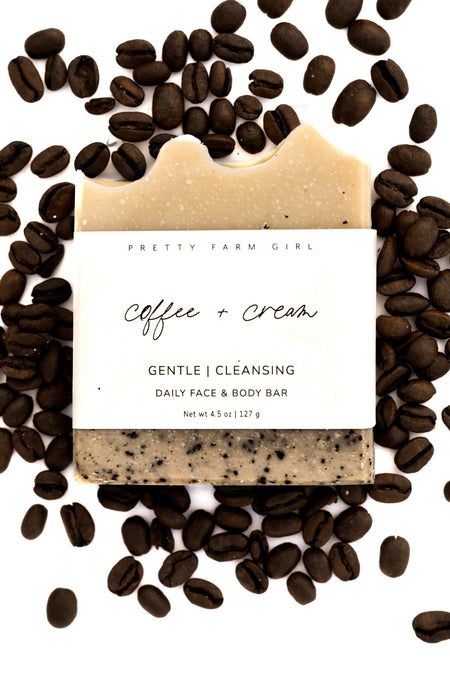
Crafting beef tallow soap at home merges traditional soap-making techniques with the rich, moisturizing qualities of animal fats. Unlike commercial bars that often rely on synthetic additives, a tallow-based bar offers a natural, long-lasting lather and skin-friendly nutrients. This guide walks through every step, from rendering the tallow to curing the finished soap, so even beginners can create a professional-grade product that feels luxurious on the skin.
Why Choose Beef Tallow for Soap?
- Skin-friendly fatty acids: Tallow contains stearic and oleic acids that help maintain the skin’s barrier.
- Hardness and longevity: Bars made with tallow tend to be firm and resist quick melt-away.
- Eco-conscious sourcing: Utilizing a by-product of the meat industry reduces waste.
Gathering Your Materials
Essential Ingredients
- 1 lb (450 g) rendered beef tallow
- 4 oz (113 g) sodium hydroxide (lye)
- 10 oz (283 g) distilled water
- Essential oils or fragrance oils (optional)
- Natural colorants such as clays or botanicals (optional)
Equipment Checklist
- Digital kitchen scale
- Heat-proof mixing bowls
- Stainless-steel or silicone spatula
- Immersion blender
- Soap mold (silicone works best)
- Protective gloves and goggles
- Thermometer
Step-by-Step Process
1. Render the Beef Tallow
If you have raw beef fat, start by cutting it into small pieces and melting it over low heat. Stir occasionally until the liquid fat separates from the cracklings. Strain through cheesecloth and let the clear tallow cool to about 120°F (49°C). For those who prefer a ready-made option, high-quality rendered tallow is available from reputable suppliers.
2. Prepare the Lye Solution
Always add lye to water, not the other way around. Slowly pour the sodium hydroxide into the measured distilled water while stirring gently. The solution will heat up rapidly; set it aside to cool to around 110°F (43°C).
3. Combine Fat and Lye
When both the tallow and lye solution are within 100-115°F (38-46°C), slowly pour the lye into the melted tallow while mixing with an immersion blender. Continue blending until the mixture reaches “trace,” a light pudding-like consistency where a drizzle of soap leaves a faint line on the surface.
4. Add Fragrance, Color, and Extras
At trace, incorporate any essential oils, natural colorants, or exfoliants. For a subtle, skin-nourishing boost, consider a few drops of probiotic kefir soap blend, an innovative ingredient that can enhance the soap’s microbiome-friendly profile. Discover expert strategies here to select complementary scents and additives.
5. Pour into Molds and Insulate
Carefully spoon the batter into prepared molds. Tap gently to release air bubbles, then cover with a towel or insulated box to retain heat. The soap will undergo saponification for 24-48 hours.
6. Unmold and Cure
After the bar firms, remove it from the mold and slice if necessary. Place the pieces on a rack in a well-ventilated area and allow them to cure for 4-6 weeks. This period lets excess water evaporate, resulting in a harder, longer-lasting bar.
Tips for Perfecting Your Tallow Soap
- Temperature control: Keep both fat and lye within the recommended range to avoid separation.
- Accurate measurements: Use a digital scale for all ingredients; even a few grams off can affect the final pH.
- Gentle stirring: Over-mixing can incorporate too much air, leading to a spongy texture.
- Testing pH: After curing, test the bar’s pH (aim for 9-10) to ensure skin safety.
Enhancing Your Soap with Probiotic Benefits
Integrating probiotic kefir soap elements can introduce beneficial bacteria that support a balanced skin microbiome. While the primary cleansing action comes from the tallow and lye, the probiotic component offers a subtle, soothing effect, especially for sensitive skin types. For more detailed guidance on pairing tallow with probiotic blends, Learn about our tailored solutions and explore formulations that maintain microbial viability.
Packaging and Presentation
When the curing phase is complete, consider wrapping each bar in biodegradable paper or reusable fabric bags. A simple label that highlights “hand-crafted beef tallow soap with probiotic kefir infusion” conveys both craftsmanship and the added skin benefits. For inspiration on how to showcase specialty soaps, Explore advanced guides and tips that discuss branding without overt promotion.
Conclusion
Making beef tallow soap at home is a rewarding process that yields a high-quality, skin-friendly bar. By mastering the rendering of tallow, precise lye handling, and thoughtful inclusion of probiotic kefir elements, anyone can produce a soap that feels as luxurious as it is sustainable. With careful curing and mindful packaging, these handcrafted bars become a staple in any natural-skincare routine.