
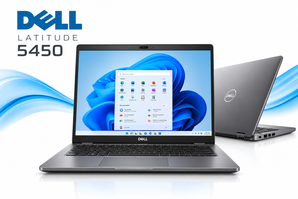
In today’s fast-moving business environment, staying competitive often hinges on having reliable technology that doesn’t break the bank. Refurbished IT equipment offers a compelling blend of performance, sustainability, and cost-effectiveness, making it an attractive option for startups, mid-size firms, and even large enterprises. By sourcing high-quality, pre-owned hardware, organizations can upgrade their infrastructure while preserving capital for strategic initiatives. This article explores the key considerations, purchasing strategies, and maintenance best practices that enable businesses to secure the best deals on refurbished IT equipment.
Why Choose Refurbished IT Equipment?
Refurbished devices undergo rigorous testing, cleaning, and certification processes that bring them back to near-new condition. The advantages extend beyond simple price savings:
- Cost Efficiency: Prices can be 30-70% lower than brand-new equivalents, freeing budget for software licenses, training, or cloud services.
- Environmental Impact: Extending the lifecycle of electronics reduces e-waste and supports corporate sustainability goals.
- Performance Assurance: Certified refurbishers replace worn components and provide warranties, ensuring reliability comparable to new hardware.
- Rapid Availability: Stocked inventory often means faster delivery than waiting for new product backorders.
Key Factors to Evaluate Before Buying
1. Vendor Credibility
Choosing a reputable supplier is crucial. Look for certifications such as:
- ISO 9001 quality management
- R2 (Responsible Recycling) or e-Stewards certifications
- Transparent refurbishment processes documented on the vendor’s site
For a deeper dive into evaluating vendors, Discover expert strategies here provides a comprehensive checklist.
2. Warranty and Support
A solid warranty signals confidence in the product’s condition. Consider these aspects:
- Duration (minimum 90 days, preferably 12 months)
- Coverage scope (parts, labor, on-site service)
- Technical support channels (phone, chat, ticketing)
3. Compatibility and Specifications
Ensure the refurbished hardware aligns with existing infrastructure:
- Processor generation and socket type
- Memory capacity and speed
- Storage interfaces (SATA, NVMe)
- Form factor (rack, tower, blade)
Effective Purchasing Strategies
Strategic buying can further improve value. Below are proven tactics that align with budgetary constraints and operational timelines.
- Bulk Procurement: Negotiating volume discounts often yields 10-20% additional savings.
- Seasonal Sales: Many refurbishers run promotions during fiscal year-end or major tech events.
- Trade-In Programs: Exchange older equipment for credit toward refurbished units.
- Leasing Options: Some providers offer lease-to-own plans that spread costs over multiple periods.
To explore tailored financing models, Learn about our tailored solutions offers practical examples.
Maintaining Refurbished Equipment for Longevity
Even the best-refurbished hardware benefits from proactive care. Implementing a maintenance routine can extend service life and reduce downtime.
Routine Checks
- Run diagnostic utilities quarterly to detect early hardware failures.
- Update firmware and drivers regularly to address security patches.
- Monitor temperature and power consumption to prevent overheating.
Documentation and Asset Management
Maintain an accurate inventory database that includes:
- Serial numbers and purchase dates
- Warranty expiration
- Configuration details (CPU, RAM, storage)
Effective tracking simplifies warranty claims and resale planning. For more on asset lifecycle management, Explore advanced guides and tips provides actionable insights.
Cost-Comparison: Refurbished vs. New
Below is a simplified cost analysis for a typical mid-range workstation:
| Item | New (USD) | Refurbished (USD) | Savings (%) |
|---|---|---|---|
| CPU (Intel i7-12700) | 350 | 210 | 40 |
| RAM 32″?GB DDR4 | 150 | 90 | 40 |
| SSD 1″?TB NVMe | 120 | 75 | 38 |
| Chassis & Power Supply | 200 | 130 | 35 |
| Total | 820 | 505 | 38 |
The example demonstrates a potential 38% reduction in capital outlay without sacrificing performance. For additional case studies, Find out more about this approach showcases real-world savings across various industries.
Final Thoughts
Refurbished IT equipment presents a strategic avenue for organizations seeking to balance cost, performance, and sustainability. By vetting suppliers, understanding warranty terms, aligning specifications, and applying disciplined purchasing and maintenance practices, businesses can reap substantial financial benefits while maintaining a robust technology foundation. Leveraging reputable sources such as TechSel ensures access to certified, reliable hardware that meets rigorous standards.