
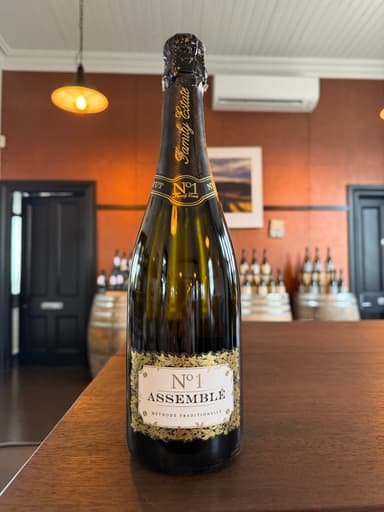
There is something timeless about the simple pleasure of sipping a well-chosen glass of wine while unwinding in a relaxed setting. A wine bar that balances ambience, selection, and service can become a sanctuary after a long day or a pleasant backdrop for a casual gathering. This article explores the key elements that make a wine bar an ideal destination for relaxation, from atmosphere and menu design to sensory experiences and etiquette.
Atmosphere and Ambience
The environment of a wine bar plays a crucial role in shaping the overall experience. Thoughtful design choices create a space where patrons feel both comfortable and engaged.
Lighting and D??cor
- Soft, warm lighting enhances the color of the wine and encourages conversation.
- Natural materials such as wood and stone add a tactile sense of calm.
- Subtle artwork or vintage wine accessories can provide visual interest without overwhelming the space.
Acoustic Considerations
- Background music at a low volume creates a pleasant soundscape while allowing easy dialogue.
- Sound-absorbing panels or plush furnishings help keep noise levels manageable.
For deeper insight into designing welcoming interiors, Read more about this topic.
Curated Wine Selection
A well-curated wine list is the backbone of any wine bar. It should cater to a range of palates and budgets while showcasing both classic and emerging producers.
Diversity of Styles
- Red, white, ros??, and sparkling options presented side by side.
- Inclusion of lesser-known varietals encourages exploration.
- Seasonal rotations keep the offering fresh and relevant.
Information Accessibility
- Tasting notes and suggested food pairings aid decision-making.
- Clear price markers help guests choose within their comfort zone.
- Staff training ensures knowledgeable recommendations.
To understand how a balanced wine list can elevate a venue, Learn more in this detailed guide.
Food Pairings and Small Plates
Complementary food options enhance the wine-drinking experience without dominating it. Small plates that highlight texture and flavor work best.
- Cheeses with varying intensities (soft, semi-hard, blue) provide contrast.
- Charcuterie selections offer salty, savory counterpoints.
- Seasonal vegetables, olives, and artisanal breads add freshness.
Exploring the relationship between food and wine can be rewarding; Explore further insights here.
Service Etiquette
Professional, unobtrusive service contributes significantly to relaxation. Staff should be attentive yet respectful of personal space.
- Prompt glass refills without hovering.
- Knowledgeable answers to questions about origin, vintage, and tasting notes.
- Discreet handling of payments and reservations.
For best practices in hospitality, Find additional information here.
Health and Safety Considerations
Even in a casual setting, maintaining health standards ensures a safe environment for all guests.
- Regular sanitation of glassware and surfaces.
- Clear labeling of allergens in food items.
- Responsible serving policies to promote moderate consumption.
Creating a Personal Ritual
Regular visits to a wine bar can become a personal ritual that supports mental well-being. Incorporating a few simple habits can deepen the experience.
- Choose a favorite spot within the bar, by the window, near the bar, or in a quiet nook.
- Take a moment to observe the wine’s color and aroma before tasting.
- Reflect on the flavors and how they evolve with each sip.
Developing such rituals can transform an ordinary evening into a mindful pause. For additional ideas on integrating relaxation techniques, Read more about this topic.
Conclusion
A wine bar that thoughtfully balances ambience, selection, food, and service offers an ideal setting for unwinding with a glass of wine. By paying attention to lighting, sound, curated wine lists, complementary small plates, and courteous service, any venue can become a haven for relaxation. Incorporating personal rituals further enhances the experience, turning a simple drink into a moment of calm and enjoyment.